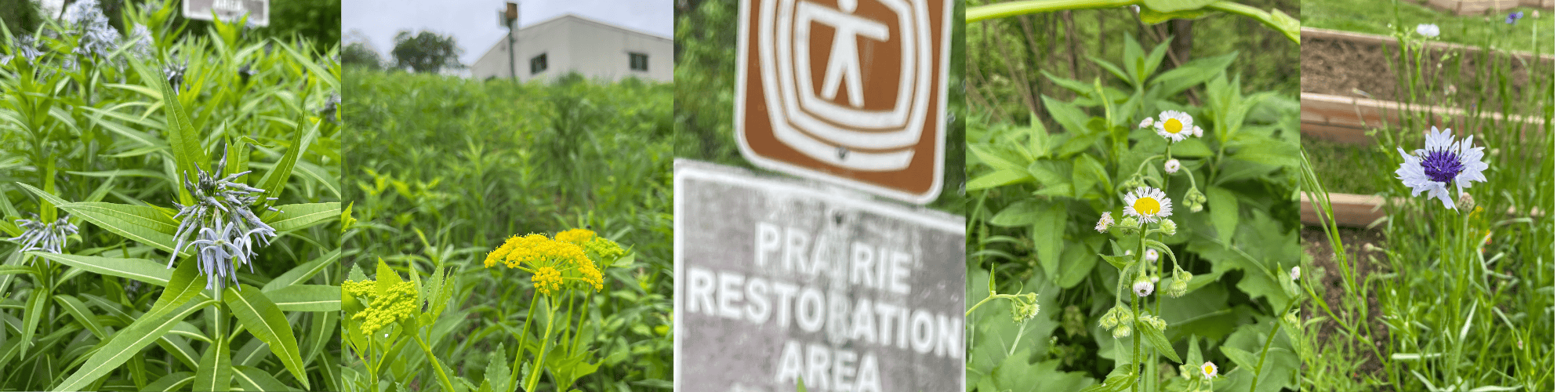
What is Native Growing?
Growing Native simply involves the practice of growing plants that naturally belong to your region.
This means you're selecting plants that have longstanding relationships with the local environment, thus, requiring less resources and intervention. Not to mention, natives capture more carbon, build resilient soils, and serve as crucial homes and food for Native Wildlife.
Why Grow Native?
I used to think of gardening as simply growing food and or pretty flowers. However, after exposure to the Buffalo Treaty at the UMSL Whitney R. Harris Ecology Center, I realized gardening and life extend far beyond superficial relationships with the natural world. For example:
In Native Gardening and Kincentric Ecology, you learn that humans, plants, animals, and land are deeply interwoven. By utilizing the Indigenous/Native resources, reading this guide, or participating in our Native Garden work sessions, you will discover how to nurture these unique relationships!
When it comes to stormwater management and rainscaping, it is essential to utilize native grasses, forbs, and others as a filter before it enters our creeks and rivers. This is because native plants, such as Carex bicknellii, have deep, absorptive root systems that filter toxins like heavy metals, road runoff, and industrial pollutants.
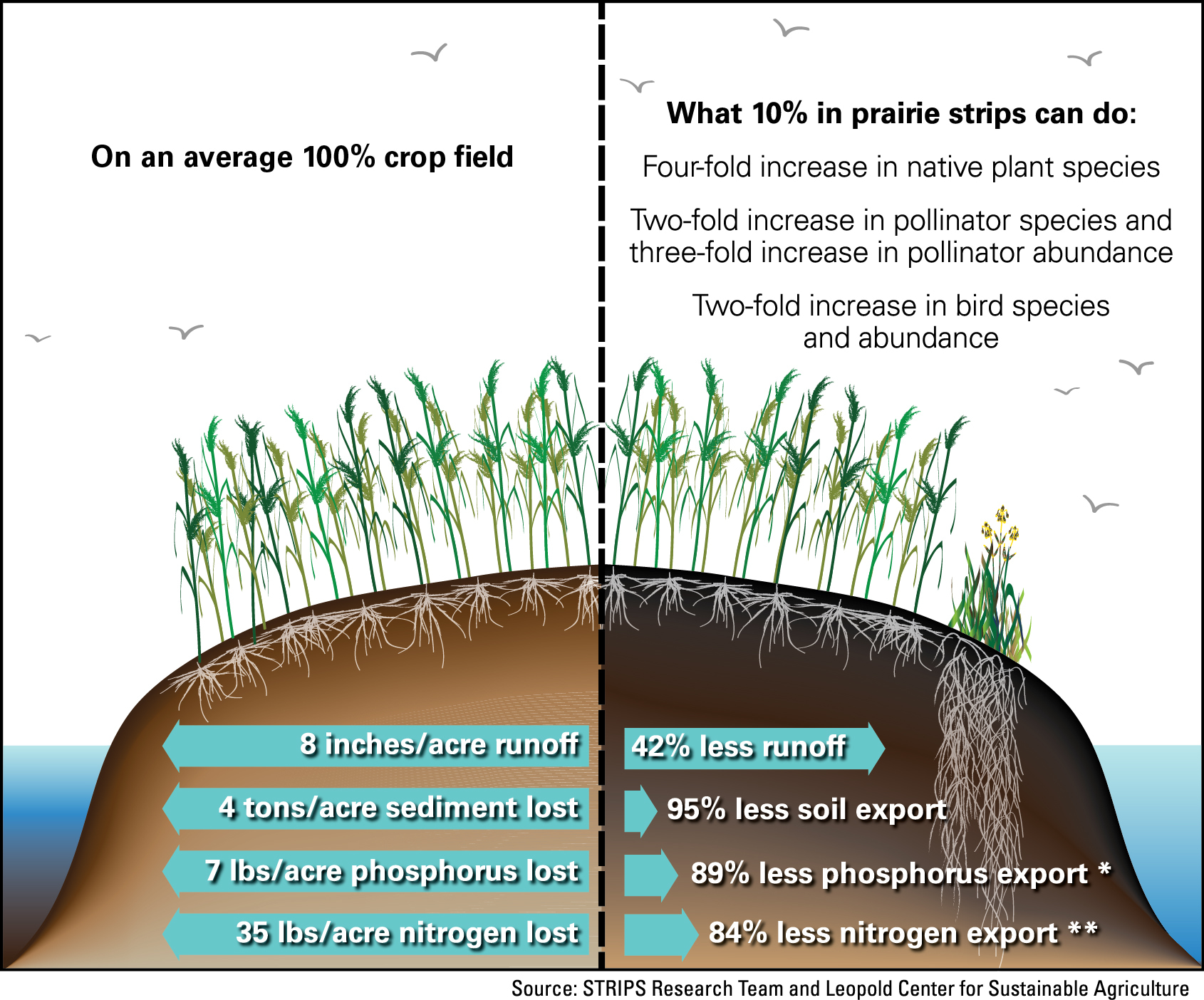
Additionally, native plants can host incredible amounts of:
- Erosion Control
These same roots stabilize soil , prevent erosion, and reduce flash flooding during intense rain events—all without irrigation or chemicals. - Soil & Microbiome Repair
Native species host beneficial fungi, insects, and birds that rebuild soil microbiomes and restore degraded land. - Biodiversity & Pollinators
Unlike turf grass, native gardens bloom from spring to fall, providing continuous nectar and safe habitat for pollinators, birds, and other wildlife. - Urban Cooling & Green Infrastructure
Replacing concrete and lawn with native plants helps cool neighborhoods , reduce stormwater runoff, and turn vacant lots into resilient community assets
Want to become a Master Gardener?
MU Extension offers the Missouri Master Gardener course each semester, where you will gain vital horticulture, tree, gardening, pest management, and other skills. The mission of the Missouri Extension Master Gardener program is helping others learn to grow.
Have a Soil or Plant Issue?
"The laboratory, sponsored by MU Extension, provides soil testing, fertilizer recommendations and plant analysis services to farmers, homeowners, vegetable and fruit growers, golf course superintendents and lawn and landscape specialists."
Get your soil or plant tested at the MU Extension Laboratory!
The Missouri Department of Conservation (MDC) offers a plethora of resouces including identification field guides, Conservation strategies, native plant selections, and more!
Missouri Outdoor Recreational Access Program: MRAP
MRAPMDC created the Missouri Outdoor Recreational Access Program (MRAP) to increase outdoor recreational opportunities on private land. Under this program, MDC provides annual incentive payments to private landowners who open their land for public recreational activities such as hunting, fishing, and wildlife viewing.
MDC Sustainability Resources:
GrowNative! Resources:
Grow Native! is the native plant marketing and education program of the Missouri Prairie Foundation. Together, these wonderful organizations along with the Green Team 'help protect and restore biodiversity by increasing conservation awareness of native plants and their effective use in urban, suburban, and rural developed landscapes.'