
A collaborative partnership between FinLocker and UMSL enriches research and provides students with real-world experience
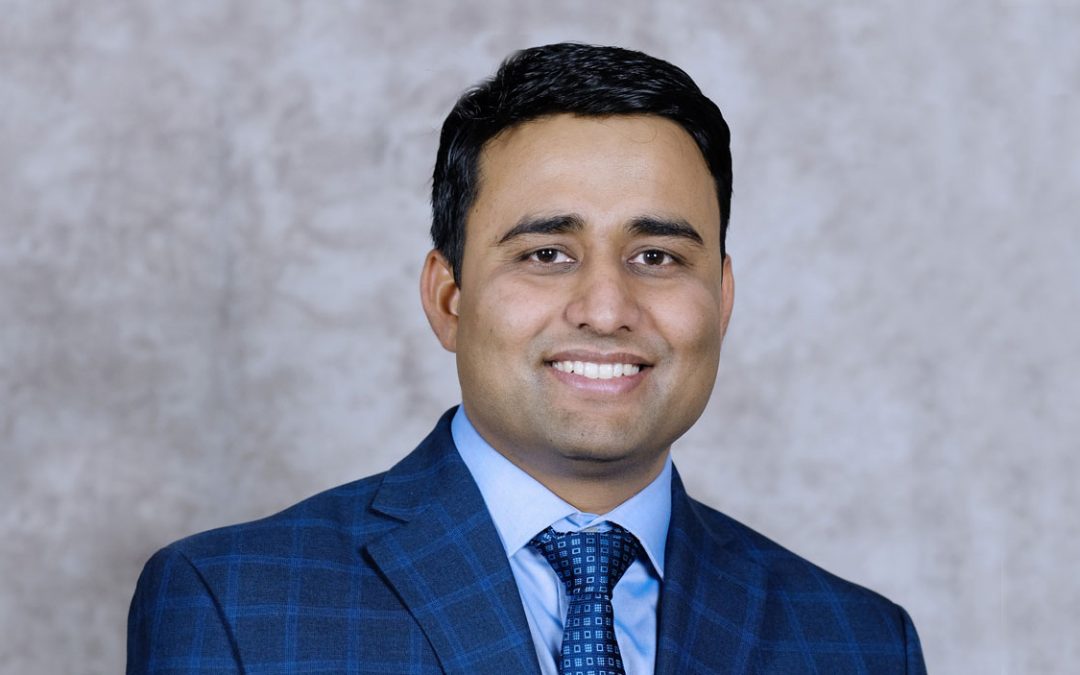
Assistant Professor Vivek Singh has been part of ongoing collaboration with FinLocker Chief Technology Officer Bryan Garcia, a longtime member of UMSL’s IST Advisory Board.
A collaborative partnership between FinLocker and UMSL enriches research and provides students with real-world experience
Assistant Professor Vivek Singh has been part of ongoing collaboration with FinLocker Chief Technology Officer Bryan Garcia, a longtime member of UMSL’s IST Advisory Board.
A collaborative partnership between FinLocker and UMSL enriches research and provides students with real-world experience
Assistant Professor Vivek Singh has been part of ongoing collaboration with FinLocker Chief Technology Officer Bryan Garcia, a longtime member of UMSL’s IST Advisory Board.
A collaborative partnership between FinLocker and UMSL enriches research and provides students with real-world experience
Assistant Professor Vivek Singh has been part of ongoing collaboration with FinLocker Chief Technology Officer Bryan Garcia, a longtime member of UMSL’s IST Advisory Board.
UMSL community gathers to celebrate research excellence at annual Research and Innovation Reception
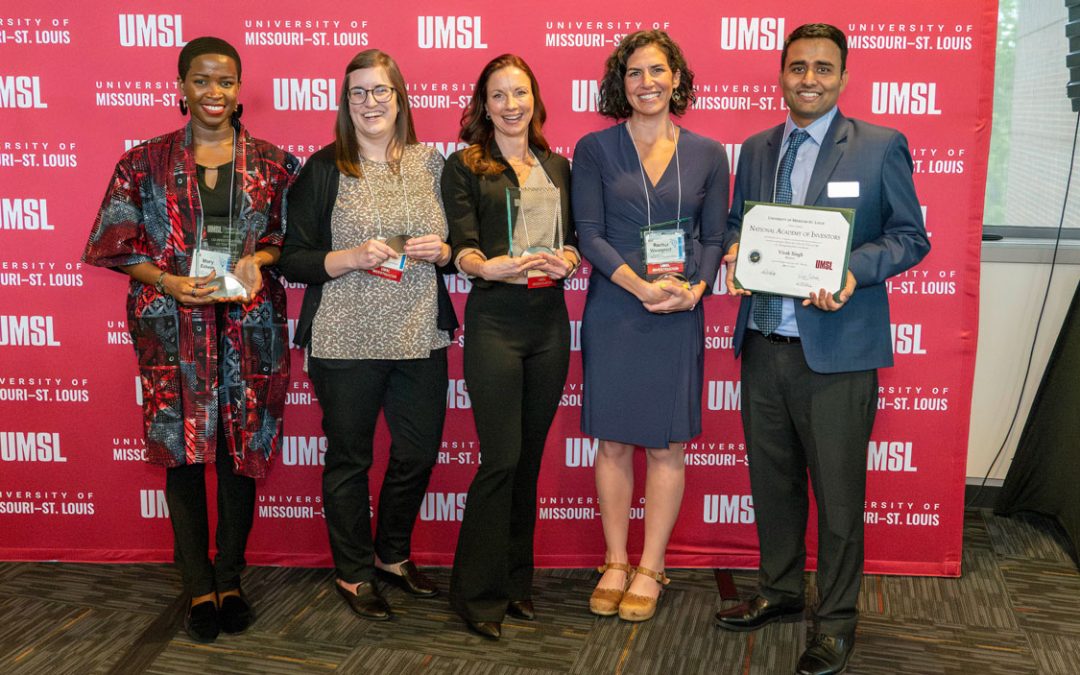
Faculty members Mary Edwin, Emily Brown, Anita Manion, Rachel Winograd, Vivek Singh and Michael Nichols were honored at Friday’s event in the Millennium Student Center.
UMSL community gathers to celebrate research excellence at annual Research and Innovation Reception
Faculty members Mary Edwin, Emily Brown, Anita Manion, Rachel Winograd, Vivek Singh and Michael Nichols were honored at Friday’s event in the Millennium Student Center.
UMSL community gathers to celebrate research excellence at annual Research and Innovation Reception
Faculty members Mary Edwin, Emily Brown, Anita Manion, Rachel Winograd, Vivek Singh and Michael Nichols were honored at Friday’s event in the Millennium Student Center.
UMSL community gathers to celebrate research excellence at annual Research and Innovation Reception
Faculty members Mary Edwin, Emily Brown, Anita Manion, Rachel Winograd, Vivek Singh and Michael Nichols were honored at Friday’s event in the Millennium Student Center.
10th annual Women’s Hackathon encourages innovation, supports women in tech
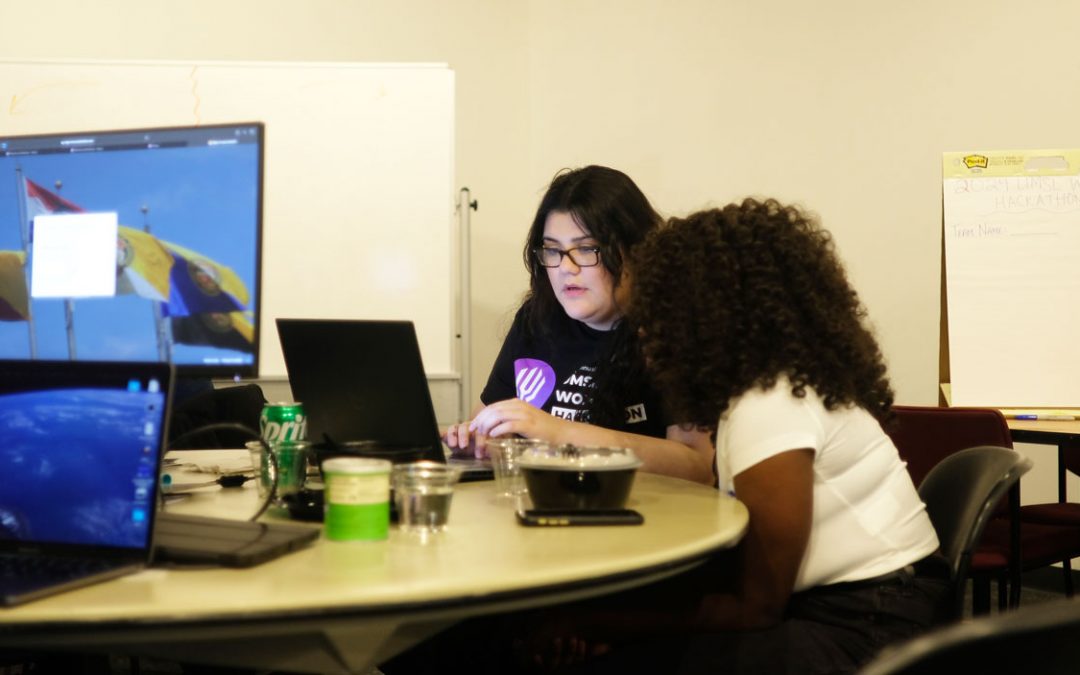
Six teams worked during the all-day event to develop safety and security applications reflecting the day’s theme, “Secure the Future.”
10th annual Women’s Hackathon encourages innovation, supports women in tech
Six teams worked during the all-day event to develop safety and security applications reflecting the day’s theme, “Secure the Future.”
UMSL hosts workshop for researchers affiliated with Taylor Geospatial Institute
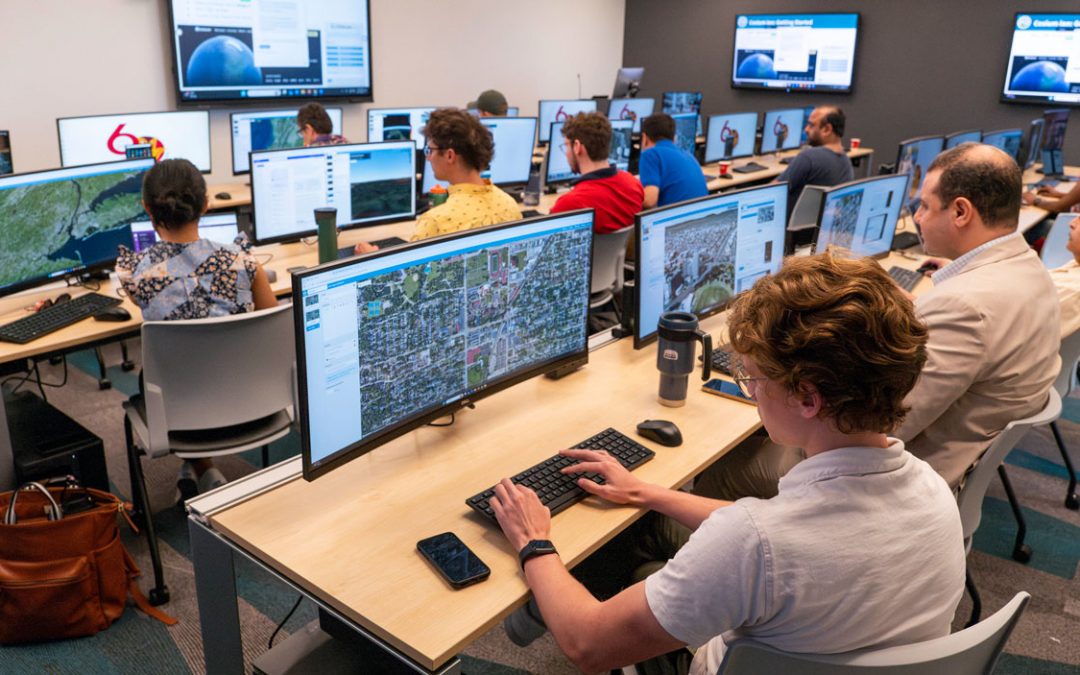
The workshop provided an opportunity to showcase the technology tools available in UMSL’s Geospatial Advanced Technology Lab, which opened this semester.
UMSL hosts workshop for researchers affiliated with Taylor Geospatial Institute
The workshop provided an opportunity to showcase the technology tools available in UMSL’s Geospatial Advanced Technology Lab, which opened this semester.
Eye on UMSL: ‘The Impresario’
University of Missouri–St. Louis students Rachel Anthonis, Rita Schien, and Vanessa Tessereau rehearsed for UMSL Opera Theatre’s production of “The Impresario,” Mozart’s one-act comic opera.
Eye on UMSL: ‘The Impresario’
University of Missouri–St. Louis students Rachel Anthonis, Rita Schien, and Vanessa Tessereau rehearsed for UMSL Opera Theatre’s production of “The Impresario,” Mozart’s one-act comic opera.
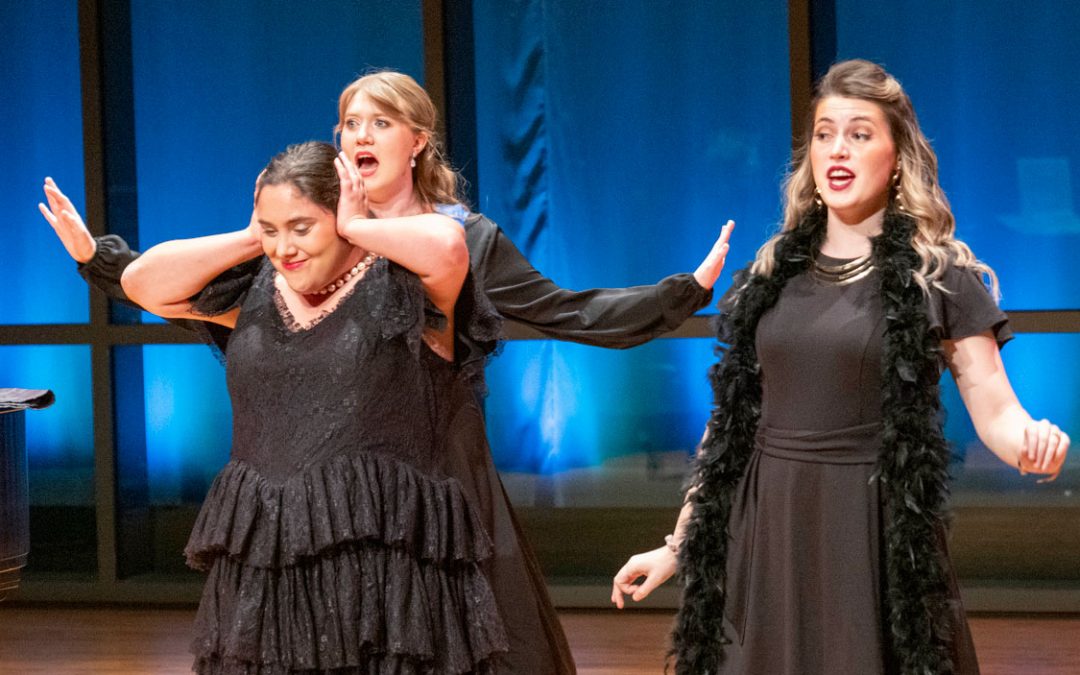
Eye on UMSL: ‘The Impresario’
University of Missouri–St. Louis students Rachel Anthonis, Rita Schien, and Vanessa Tessereau rehearsed for UMSL Opera Theatre’s production of “The Impresario,” Mozart’s one-act comic opera.
LATEST FROM UMSL ON FLICKR




Latest News
A collaborative partnership between FinLocker and UMSL enriches research and provides students with real-world experience
Assistant Professor Vivek Singh has been part of ongoing collaboration with FinLocker Chief Technology Officer Bryan Garcia, a longtime member of UMSL’s IST Advisory Board.
UMSL community gathers to celebrate research excellence at annual Research and Innovation Reception
Faculty members Mary Edwin, Emily Brown, Anita Manion, Rachel Winograd, Vivek Singh and Michael Nichols were honored at Friday’s event in the Millennium Student Center.
10th annual Women’s Hackathon encourages innovation, supports women in tech
Six teams worked during the all-day event to develop safety and security applications reflecting the day’s theme, “Secure the Future.”
UMSL hosts workshop for researchers affiliated with Taylor Geospatial Institute
The workshop provided an opportunity to showcase the technology tools available in UMSL’s Geospatial Advanced Technology Lab, which opened this semester.
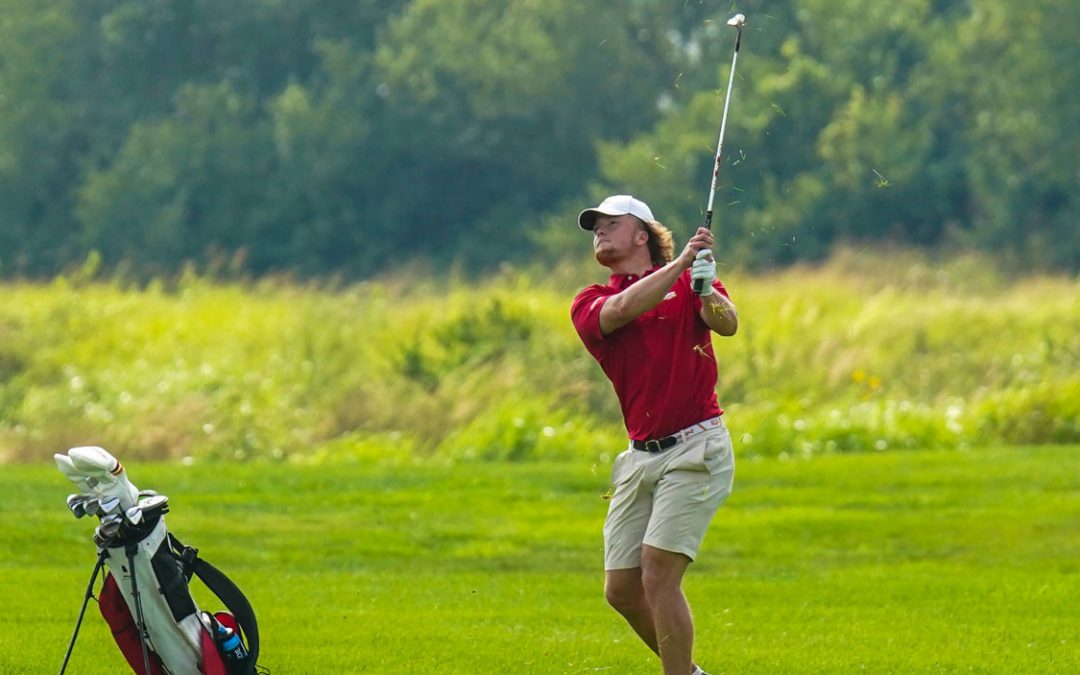
UMSL Tritons weekly rewind
Fifth-year senior Cyril Henault was tied with Missouri S&T’s Carl Miltun for the lead through two rounds of the Great Lakes Valley Conference Championship on Sunday in Smithville, Missouri.
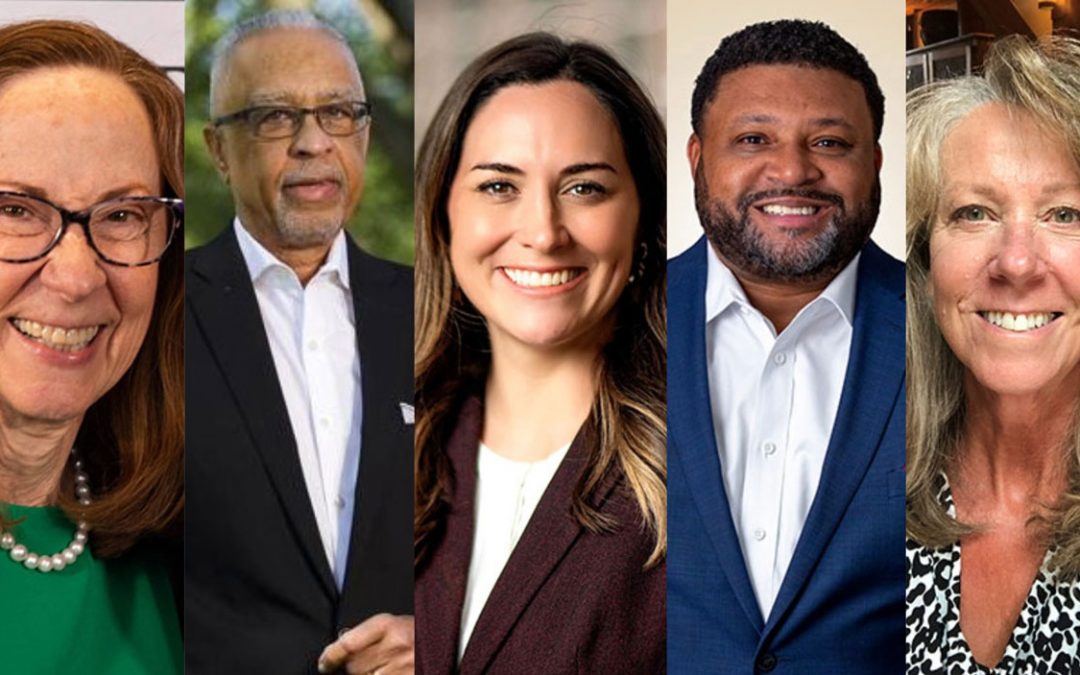
60 for 60: Marie Casey, Mike Jones, Maria Kerford, Terrence Rogers and Dawn Shiang honored as exceptional alumni
To celebrate its anniversary, UMSL is spotlighting 60 alumni who apply one or more of the university’s core values in the world and help to make it a better place.
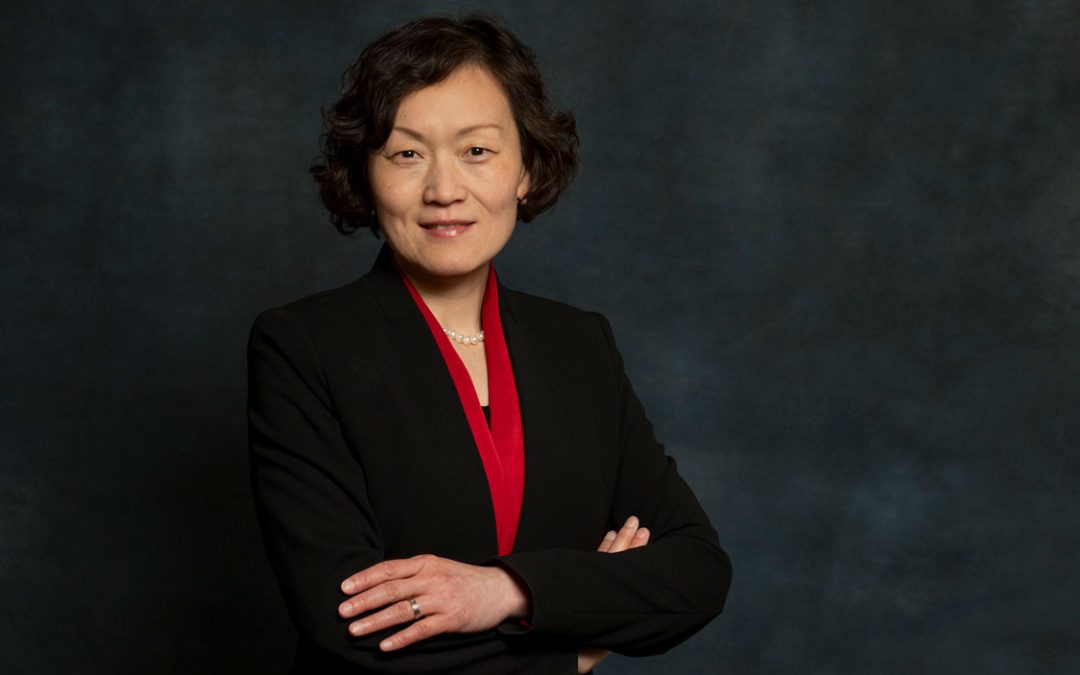
New College of Business Administration Dean Shu Schiller honored by her alma mater, Temple University
Schiller received the 2024 PhD Alumni Leadership Award from the Fox School of Business, where she earned her PhD in information systems in 2007.
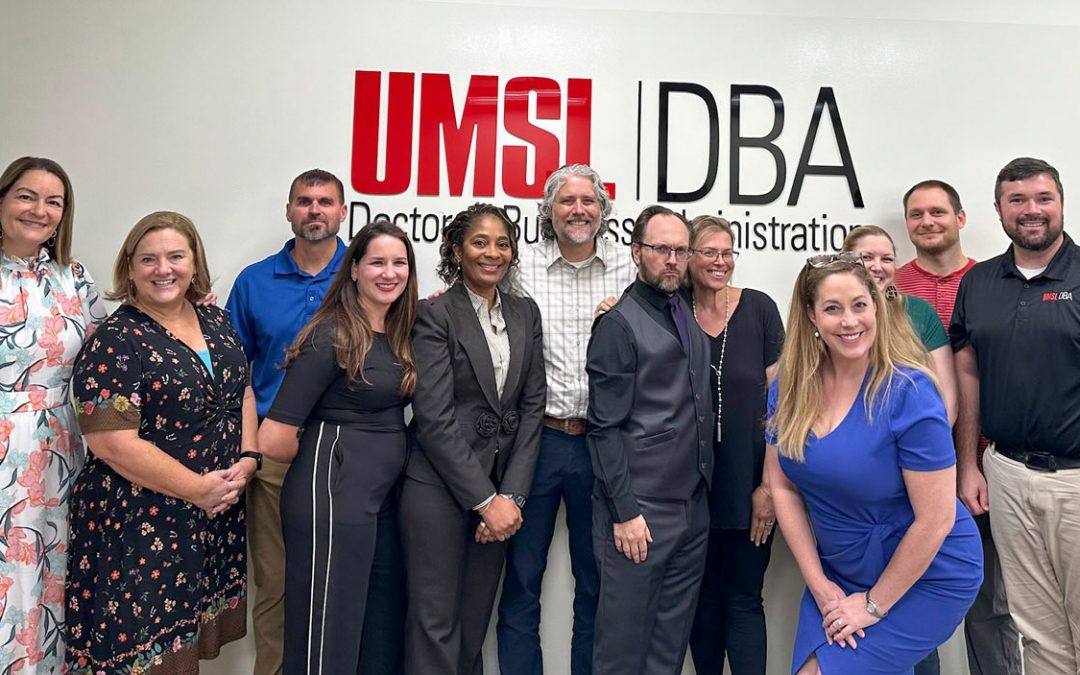
CEO Magazine recognizes UMSL’s DBA program among world’s best for seventh straight year
UMSL was one of only 110 schools worldwide to make the publication’s list, which considered factors such as accreditation and international standing.
Media Coverage: March 2024
Stories about the university, its scholars and their expertise are often covered by local and national news media. Media Coverage highlights some of the top stories.
Media Coverage: March 2024
Stories about the university, its scholars and their expertise are often covered by local and national news media. Media Coverage highlights some of the top stories.
Media Coverage: February 2024
Stories about the university, its scholars and their expertise are often covered by local and national news media. Media Coverage highlights some of the top stories.
Media Coverage: February 2024
Stories about the university, its scholars and their expertise are often covered by local and national news media. Media Coverage highlights some of the top stories.
Media Coverage: January 2024
Stories about the university, its scholars and their expertise are often covered by local and national news media. Media Coverage highlights some of the top stories.
Media Coverage: December 2023
Stories about the university, its scholars and their expertise are often covered by local and national news media. Media Coverage highlights some of the top stories.